Types of Bushings for Excavators
There are different types of bushings available on the market, tailored for specific applications in construction machinery. Depending on the machine's needs and working conditions, one can choose between cylindrical bushings, conical bushings, and bushings with lubrication grooves. Below we present the most commonly encountered types of bushings:
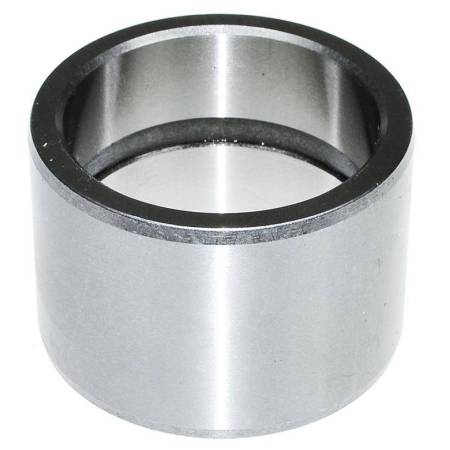
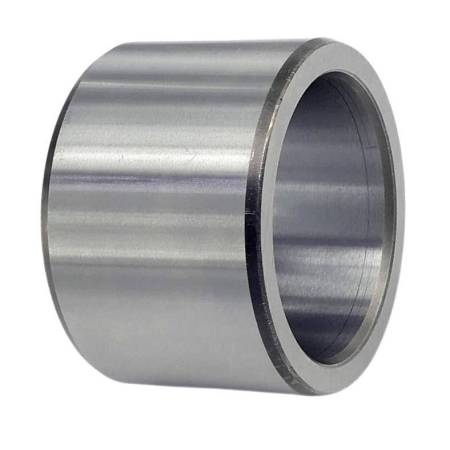
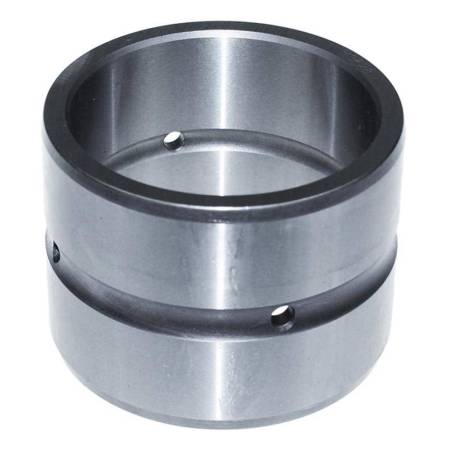
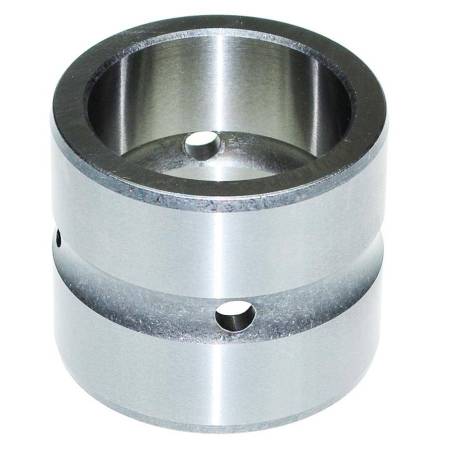
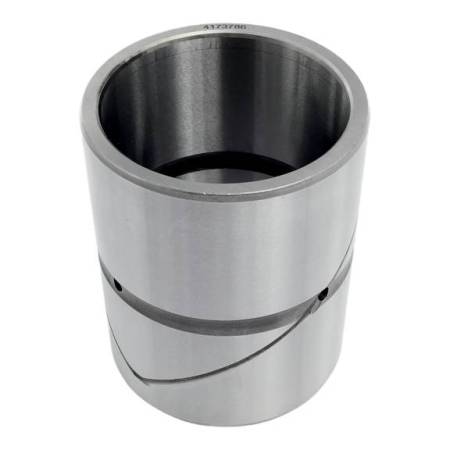
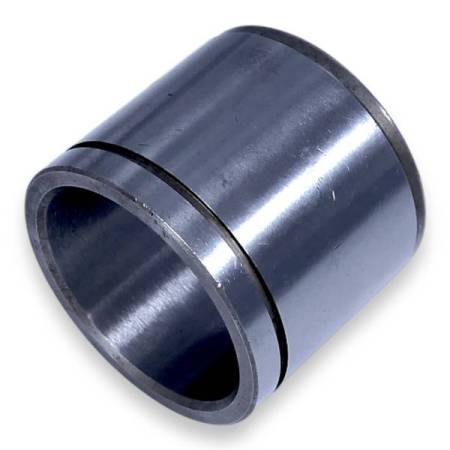
- Cylindrical Bushings - Cylindrical bushings are the most commonly encountered type of bushing for excavators. Due to their simplicity and versatility, they are ideal for applications in elements such as Arms whether Pins. Cylindrical bushings are typically used in parts that perform rotational movements and must withstand large mechanical loads.
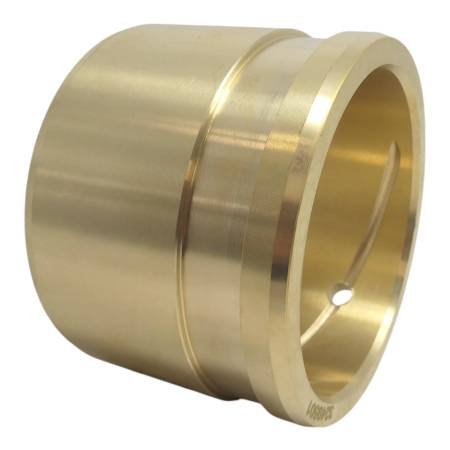
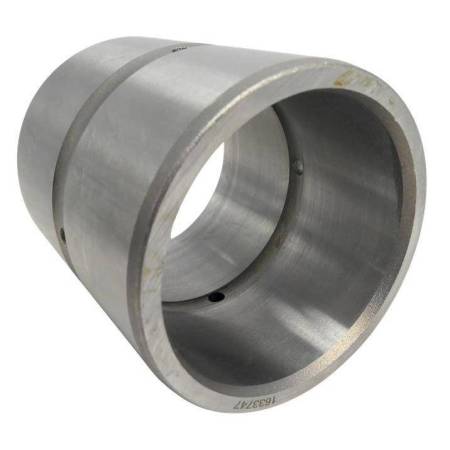
- Tapered Bushings - Conical bushings are characterized by a wide outer diameter and a tapering inner diameter. They are used in areas where there are more challenging operational conditions, such as components that must operate at an angle. They are ideally suited for use in Spoons excavators and other components that require precise fitting.
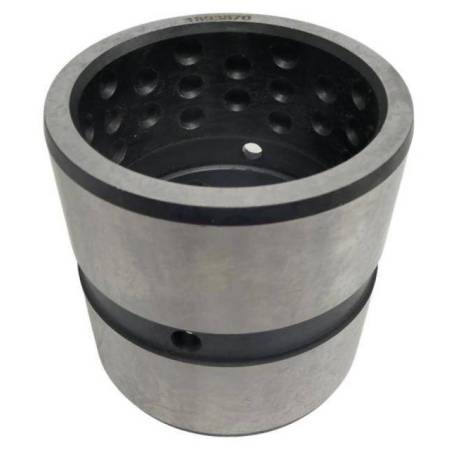
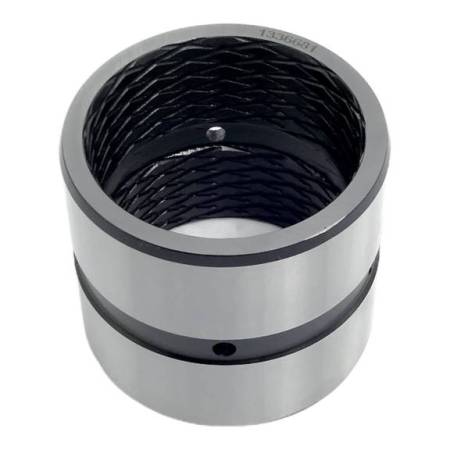
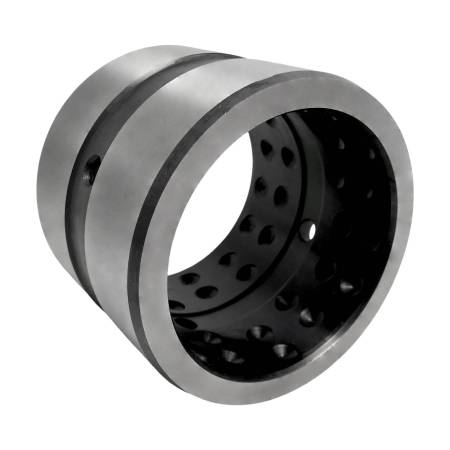
- Bushings with Lubrication GroovesBushings with lubrication grooves are a specialized solution used in conditions of intense wear, such as working in Mud, , Sand "czy w" translates to "whether in" or "if in" in English. Moist environment. Lubrication grooves allow for even distribution of lubricant, which prevents excessive friction, improves the lifespan of the bushing, and reduces the risk of damage.
Use of Bushings in Different Excavator Models
Bushings for excavators find wide application in machines from various manufacturers, such as JCB, , Caterpillar, , Komatsu, whether Volvo. Each of these manufacturers has specific requirements regarding the sizes and materials of the sleeves. Here are examples of popular machines and their sleeve applications:
- JCB 3CX - bushings for excavator arms and pins. The bushings for this model must provide exceptional wear resistance in tough working conditions.
- Caterpillar 320D - bushings used in hydraulic systems and moving parts of the machine. The appropriate bushing ensures optimal performance of the machine.
- Komatsu PC210 - bushings for excavators that operate in various terrain conditions, from dry sand to humid environments. The bushings must ensure stability and resistance to corrosion.
- Volvo EC240 - bushings for arm systems that ensure smooth movement and reduce wear on excavator components, which translates to longer machine durability.
How to Choose a Bushing for an Excavator?
Choosing the right bushing for an excavator is crucial for its reliability and longevity. When selecting a bushing, attention should be paid to several factors:
Dimensions of the bushing - It is important for the bushing to match the outer and inner diameter of the individual machine components. A bushing that is too small or too large can lead to improper functioning of the systems.
Type of material - Bushings can be made from various materials, such as hardened steel, , Stainless steel whether Carbon steel. The choice of material depends on the working conditions of the machine and the level of operation.
Working conditions - Excavator bushings must be suitable for the environment in which the machine operates. If the excavator works in a wet conditions, choosing bushings with lubrication grooves will be ideal. If the work is carried out in heavy field conditions, it is necessary to opt for bushings with high wear resistance.
Innovations and Interesting Facts in Excavator Bushings
In the construction industry, there is continuous technological development, and excavator bushings are no exception. In recent years, there is a noticeable trend towards bushings made from modern steel alloys increased resistance to abrasion. The introduction of such materials allows for a significant extension of the durability of parts and a reduction in the frequency of their replacement, which translates to lower operating costs and larger Machine performance.
They are becoming increasingly popular bushings with anti-corrosion coating, which offer additional protection in harsh weather conditions and can significantly increase Lifespan components. Innovative solutions, such as bushings with an automatic lubrication system, provide better lubrication during intensive work, which reduces friction and lowers operating temperature.
Customizing Bushings for Specific Needs
The choice of appropriate bushings for an excavator depends on various factors, such as the type of work, operating conditions, and the specifics of the machine. For many machines, such as Caterpillar 320D, , JCB 3CX whether Komatsu PC210, standard sleeves must be precisely matched to specific requirements. In such cases, it is crucial that the sleeves are appropriately selected, ensuring long-lasting and efficient machine operation.
Brand I'm sorry, I don't have any information on "Gtrax." Could you please provide more context or details? offers a wide selection of bushings for popular construction machinery models, such as Hitachi ZX200, , Volvo EC240 whether Liebherr R914. These bushings are made from high-quality hardened steel, providing excellent wear resistance even in extreme working conditions. With this offer, Gtrax is the ideal solution for construction companies that need high-quality parts that perfectly fit their machines and enable their efficient use in challenging conditions.
Thanks to precise matching with machine models, such as Caterpillar 320D whether Komatsu PC210, Gtrax bushings provide reliability and durability, reducing the risk of failure and extending the lifespan of machines.
FAQ
1. How long do bushings for excavators last?
The lifespan of bushings depends on the material from which they are made and the working conditions. Bushings made of hardened steel can withstand even 2-3 years of intensive work in difficult conditions.
2. Are the bushings compatible with all excavator models?
Bushings are available in various sizes and configurations, making them compatible with many popular models such as JCB 3CX, Caterpillar 320D, Komatsu PC210, or Volvo EC240.
3. What bushings to choose for work in mud and sand?
For work in difficult conditions, such as mud or sand, it is recommended to use bushings with grease grooves, which provide better lubrication and reduce the risk of excessive friction.
4. Is it possible to order custom-sized bushings?
Yes, custom-sized bushings are available that can be tailored to the specific requirements of machines. You just need to provide the dimensions, and the bushing will be made according to them.
5. What bushings work best in excavators operating in wet and muddy terrain?
Bushings with grease grooves or made from corrosion-resistant materials will be ideal for working in tough, humid conditions.
6. Do bushings for excavators require special maintenance?
Bushings require regular lubrication, especially those that operate in challenging conditions. A well-selected bushing with lubrication grooves will help maintain optimal system performance.
7. What innovations in the field of bushings can improve the performance of my excavator?
Bushings with anti-corrosion coating, automatic lubrication system, and modern materials increase durability and reduce wear, which translates to greater efficiency and lower operating costs.
 English
 Polski






 MAJSTER RADZI!