 English
 Polski

Your cart
There are no more items in your cart


 MAJSTER RADZI!
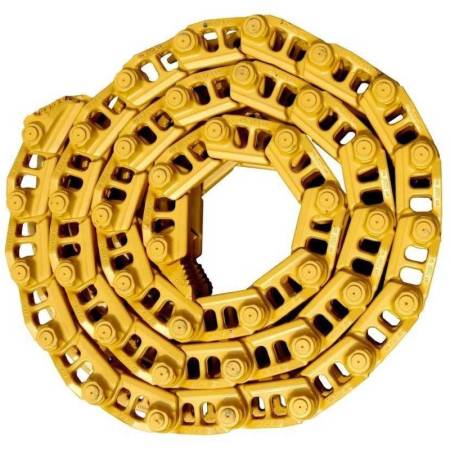



Track chains are a crucial component in construction machines, such as excavators and bulldozers, which operate in challenging terrain conditions. These technologically advanced components are responsible for power transmission, stability, and mobility of the machines on various types of surfaces, including uneven, muddy, or rocky terrains. Choosing the right track chains, their maintenance, and regular servicing are key to the efficiency of the machines and the reduction of operational costs.
Pomożemy Ci dobrać pasującą część!
Closed and Lubricated Chains (SALT) – These chains are lubricated with oil to reduce friction between the pins and bushings, which extends their lifespan. They are particularly useful in machines operating under heavy conditions, such as bulldozers and excavators. Lubrication ensures the reduction of wear on internal components, which decreases the need for frequent repairs and extends the operational period.
Sealed chains - They are equipped with special polyurethane seals that prevent contaminants from entering the internal mechanisms of the chain, which also reduces wear. This type of chain is particularly recommended for excavators operating in areas with high dust or muddy conditions.
Heavy chains – In industrial and mining applications, where machines must operate under heavy load, reinforced chains with greater strength are used. These chains have reinforced pins and bushings that are more resistant to impacts and wear.
Regular inspection and maintenance of track chains are key to their longevity. It's important to monitor the wear of individual components, such as pins, bushings, and links. Misalignment, which refers to improper alignment of the chains, can lead to accelerated wear and damage to the entire drive system. In such cases, it is necessary to perform adjustments according to the manufacturer's recommendations to ensure even wear of the components.
The replacement of track chains should be carried out in accordance with the manufacturer's recommendations for the machine. In cases where excessive wear, cracks, or looseness are observed, the chains should be replaced immediately. This process involves lifting the machine, releasing the chain tension, and then disconnecting the links using specialized tools such as a chain press.
Crawler tracks are used in a wide range of construction machinery, and their type and design depend on the type of machine and working conditions. For example, crawler excavators use tracks with a smaller pitch of links, which provide stability and precision when working on uneven terrain. Bulldozers, especially those used in mining and on large construction sites, require heavier, more durable tracks that are resistant to heavy loads and abrasion. Crawler carriers, cranes, and other specialized machines, such as crawler crushers, also use dedicated tracks that vary in specification depending on operational requirements, such as working in mud, sand, or on rocky surfaces. In the case of smaller machines, such as mini excavators, lighter and more flexible tracks are used, optimized for maneuverability and long-term use.
These examples demonstrate how different types of construction machinery require appropriate types of track chains, tailored to specific working conditions.
Modern technologies, such as BPR™ (Berco Positive Pin Retention™), introduce mechanical locking of the pin in the link, which prevents issues like "pin walking" (pin displacement). Additionally, many chains are available in versions adapted for operation in extreme temperatures – from -45°C to 50°C – allowing their use in various climatic conditions.
The choice of appropriate track chains depends on several key factors:
The manufacturer of these high-quality chains is ITR, a recognized leader in the construction machinery spare parts industry.
Track chains can sustain various damages during operation. Here are the most common problems and ways to prevent them:
Investment in high-quality components brings many benefits:
Working in extreme conditions requires special attention to the technical condition of chains.
Frequently Asked Questions
The technical condition should be checked at least once a week or more frequently in the case of intensive use.
The replacement requires specialized tools, such as a cell press. It is recommended to seek assistance from a qualified technician.
The chain should be replaced when you notice excessive wear of the links, cracks, or tension issues.


