English
 Polski

Your cart
There are no more items in your cart


 MAJSTER RADZI!




Tracked undercarriages To construction machinery, they are an indispensable element for excavators, bulldozers, mini-excavators, and tracked loaders, providing stability, traction, and durability in the toughest working conditions. Thanks to rubber and steel tracks, these undercarriages effectively operate on uneven terrain, mud, or sand, ensuring the reliability of heavy machinery during road construction, mining work, or projects on unstable ground. The choice between rubber undercarriages for delicate surfaces and steel undercarriages for heavy loads depends on the task's specifics, but both types of undercarriages play a crucial role in enhancing the efficiency and durability of construction equipment.
Pomożemy Ci dobrać pasującą część!


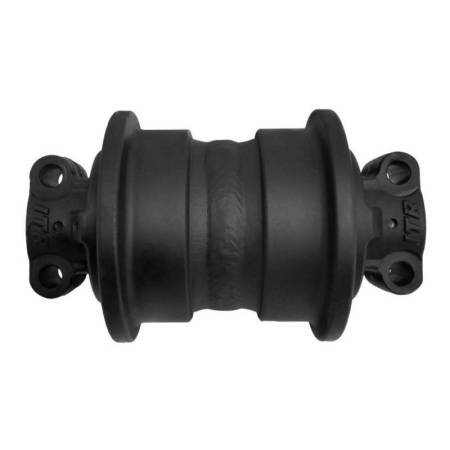


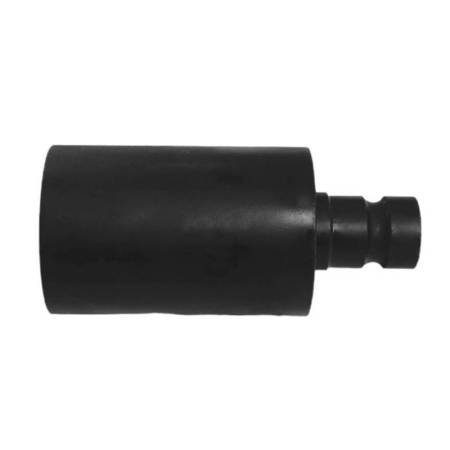






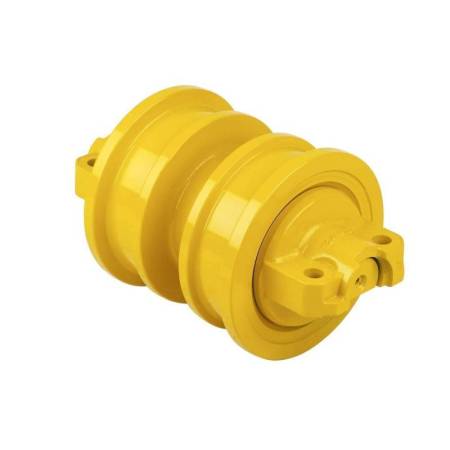
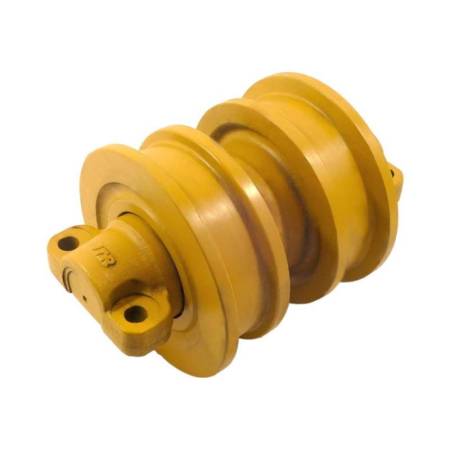
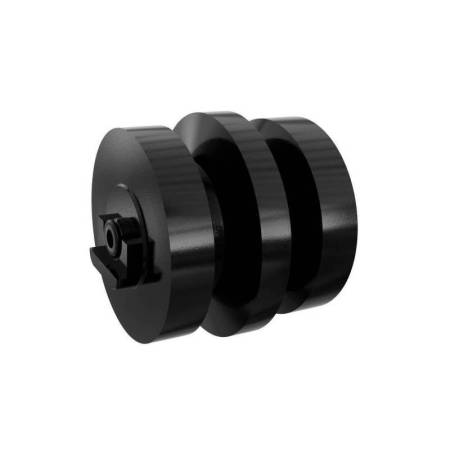
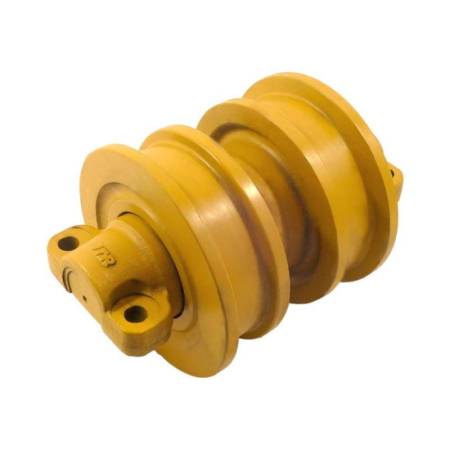
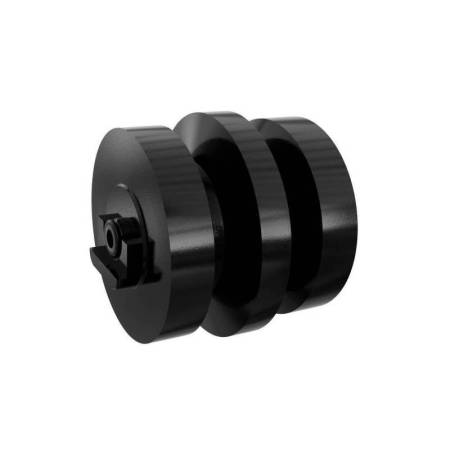
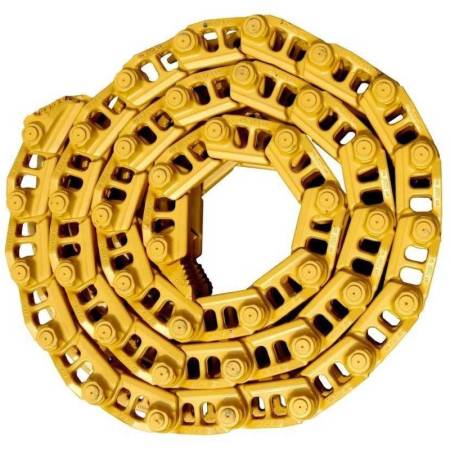


Tracked undercarriages it is a fundamental component of many construction machines, such as excavators, bulldozers, or crawler loaders. Their design, based on a system of continuous track belts, allows for efficient work in difficult terrain where ordinary wheels might fail. They are crucial for the construction industry because they provide stability, traction, and durability, enabling the execution of complex projects on construction sites—from road building to mining operations. Thanks to their versatility and reliability, tracked undercarriages have become an indispensable solution in machines that need to handle uneven surfaces, mud, or loose soil.
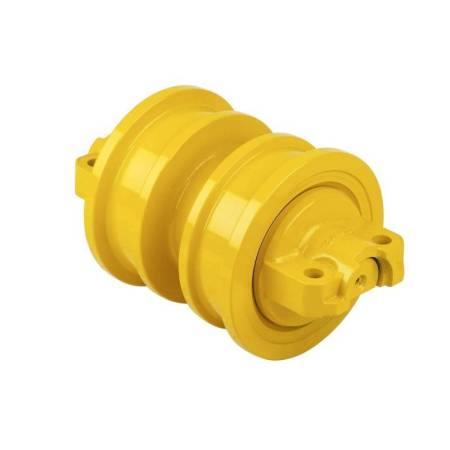
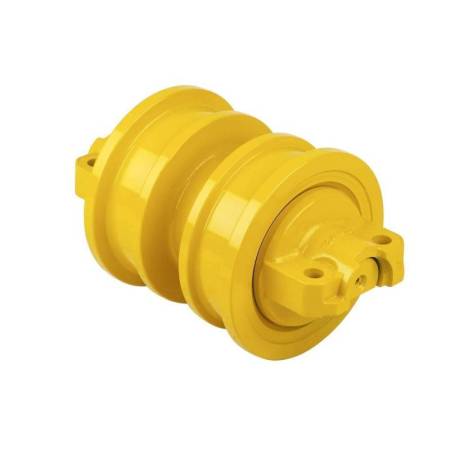
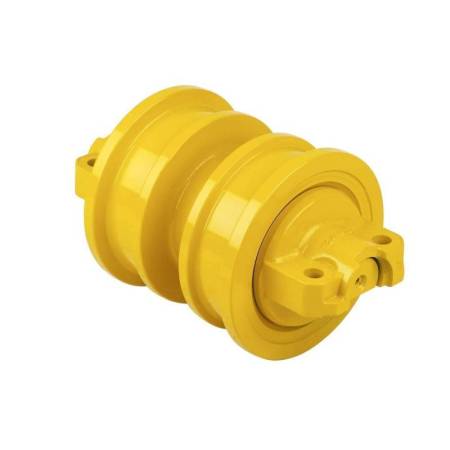
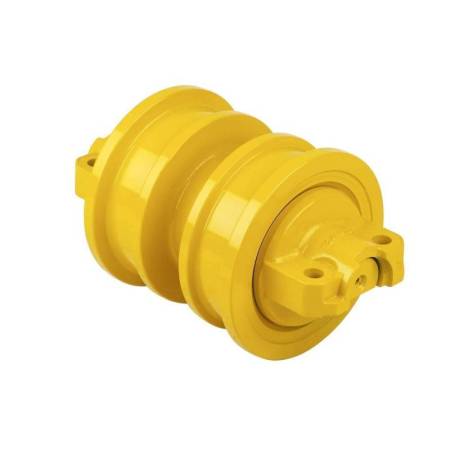
The tracked chassis consists of several key components: tracks (usually made of rubber or steel), drive wheels, support rollers, idler rollers, and tensioners. The tracks are driven by sprockets that transfer movement from the machine's engine, allowing it to move. The support rollers distribute the machine's weight over a larger surface area, minimizing pressure on the ground, while the tensioners ensure the proper tension of the tracks, preventing them from slipping off. This construction allows the machine to smoothly overcome obstacles, maintain balance on slopes, and operate in extreme conditions such as sand, snow, or mud.
Tracked undercarriages they offer a range of benefits that make them indispensable in construction. First and foremost, they provide excellent traction and stability, which is crucial when working on uneven or soft terrain. With a larger contact area with the ground, machines with tracks exert lower unit pressure on the soil, reducing the risk of sinking into soft ground. Another advantage is their durability – the robust construction is resistant to mechanical damage and wear, which translates into a longer lifespan for the machine. Additionally, tracked undercarriages enable precise maneuvering, which is invaluable in tight construction spaces. All of this makes them the preferred choice in projects requiring reliability and efficiency.
Tracked undercarriages They come in two main variants: rubber and steel. Each of these types is designed with the specific needs of construction machinery in mind, offering different properties depending on the type of terrain, the weight of the equipment, and the intensity of work. The choice between rubber and steel tracks depends on the characteristics of the construction project, and their appropriate selection can significantly impact the machine's performance and durability. Below, both types are discussed in detail to better understand their applications.
Rubber tracked undercarriages They are most commonly used in mini excavators and other light construction machinery. Their design is based on flexible, reinforced rubber tracks, which provide good traction and cushioning. One of the main advantages of rubber tracks is their lightness and reduced impact on delicate surfaces such as lawns, sidewalks, or asphalt – making them ideal for work in urban environments or green areas. Rubber undercarriages are also quieter compared to steel ones, which increases operator comfort and reduces noise on the construction site. Additionally, their flexibility allows for better shock absorption, which translates to less strain on the mini excavator's structure. However, they are less resistant to extreme conditions, such as sharp stones or very high loads, which limits their use in heavier tasks.
Steel tracked undercarriages This solution is dedicated to heavy machinery that operates in the most challenging terrain conditions and requires maximum durability. Made from hardened steel, these tracks are characterized by exceptional resistance to wear, mechanical damage, and external factors such as mud, sand, or rocks. Their solid construction ensures excellent traction and stability, which is crucial for heavy machines such as crawler excavators, bulldozers, crawler loaders, crawler dumpers, asphalt milling machines, terrain graders, crawler cranes, and even mining machines like conveyors or crushers. Steel tracks handle large loads and uneven terrains better, making them an ideal choice for road construction, open-pit mining work, or reclamation projects. However, their disadvantage is their greater weight, which increases ground pressure, and potential damage to more delicate surfaces such as paving stones. Additionally, steel undercarriages generate more noise and vibrations, which can be noticeable during prolonged operation.
Rubber tracks are becoming an increasingly popular choice in the construction industry, particularly for machines with lower weight and applications that require a gentler approach to the ground. Their selection is justified in situations where the priority is to minimize surface damage, reduce noise, and ensure high mobility on relatively even terrain. They are preferred in urban environments, gardening work, and projects requiring frequent relocation of the machine between different locations. The decision to use rubber tracks stems from their specific technical and economic properties, which allow for performance optimization while simultaneously reducing environmental impact.
Rubber tracks are made from a blend of natural and synthetic rubber, further reinforced with layers of steel cord or aramid fibers (such as Kevlar), which ensures appropriate tensile strength and puncture resistance. The production process includes vulcanization, which is the thermal curing of rubber under pressure, giving the tracks flexibility and durability. The internal structure typically contains metal inserts or links that work with the drive wheel and rollers, ensuring precise power transmission. The external surface of the tracks is patterned into a tread with a varied design (such as chevron or block type), tailored to the terrain's specifics, which improves traction. Modern technologies allow for the addition of chemical additives that increase resistance to abrasion, UV radiation, or low temperatures, extending the component's lifespan under varying operating conditions.
Rubber tracks are primarily used in mini-excavators weighing from 0.8 to 8 tons, as well as in smaller machines like track loaders, compact dumpers, and earth-moving equipment on a limited scale. Their flexibility and low ground pressure (typically ranging from 0.3-0.5 kg/cm² compared to 0.7-1.2 kg/cm² for steel) make them ideal for work on lawns, paving stones, asphalt, or in industrial halls, where it is crucial to avoid surface damage. For instance, in residential construction, mini-excavators with rubber tracks are used for installation excavations or foundation work in tight spaces. Additionally, their ability to absorb vibrations improves operator comfort and reduces mechanical stress on machine components, which is important for intensive use in short work cycles.
The operating costs of rubber and steel tracks differ significantly depending on the context of use. Rubber tracks are cheaper to purchase – the price for a pair for a 3-ton mini excavator can range from 2,000 to 4,000 PLN, while steel counterparts for larger machines start at 5,000 PLN and can reach up to 15,000 PLN for heavy excavators or bulldozers. However, the lifespan of rubber tracks is shorter: under typical conditions (mixed terrain, moderate load), they last from 1,000 to 2,000 machine hours, whereas steel tracks can last from 3,000 to 5,000 machine hours. Rubber tracks are more susceptible to mechanical damage, such as cuts or tears on sharp edges, which increases the frequency of replacements and repair costs (e.g., patching or segment replacement). On the other hand, steel tracks, although more expensive to maintain (e.g., replacing pins, bushings, or rollers), better withstand extreme conditions, making their cost per machine hour potentially lower for heavy machines working in difficult terrain. It's also worth considering the lower fuel consumption with rubber tracks (due to their lighter weight) and the absence of the need for shock-absorbing pads, which further reduces operating costs in light applications. The conclusion is that rubber tracks are more cost-effective for short-term projects on delicate surfaces, while steel tracks dominate in long-term, intensive heavy-duty work.
Steel tracks form the foundation of the undercarriages for construction machinery designed to operate in the toughest conditions and under the heaviest loads. Their unparalleled mechanical strength and ability to function in extreme environments make them the preferred choice for heavy equipment such as crawler excavators weighing over 10 tons, bulldozers, dumpers, or crawler cranes. Steel undercarriages are engineered for maximum durability and efficiency, providing stability and traction where other solutions fail – from rocky heaps to treacherous swampy terrain. Their use translates into the capability of machines to execute the most demanding infrastructure and mining projects.
Steel tracks are distinguished by their exceptional resistance to dynamic and static loads due to the use of high-strength steel alloys, often hardened by induction or surface hardening methods to a hardness range of 50-60 HRC (Rockwell). This construction ensures resistance to abrasion, deformation, and cracking, even when working with abrasive materials such as gravel, rocks, or slag. Their structure—composed of links connected by pins and bushings—allows for the distribution of stress along the entire length of the track, minimizing the risk of localized damage. In challenging conditions, such as low temperatures (down to -40°C) or high dust levels, steel tracks maintain their properties thanks to corrosion resistance (in versions with anti-corrosion coatings) and the ability to operate in humid environments without losing traction. An example of their application is in open-pit mines, where machines operate in 24/7 cycles, transporting tons of extracted material on unstable ground—here, steel tracks achieve a lifespan of up to 5,000 operating hours with proper maintenance.
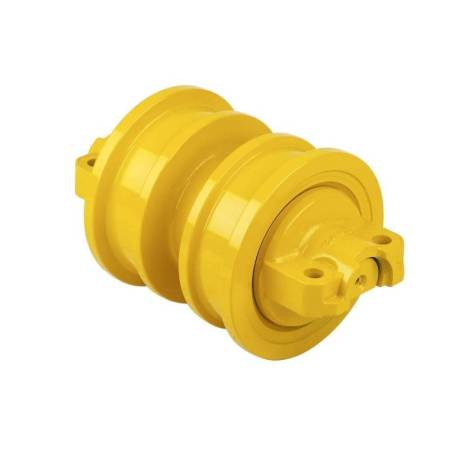
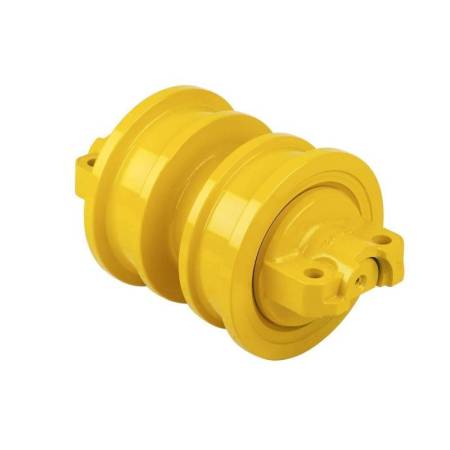
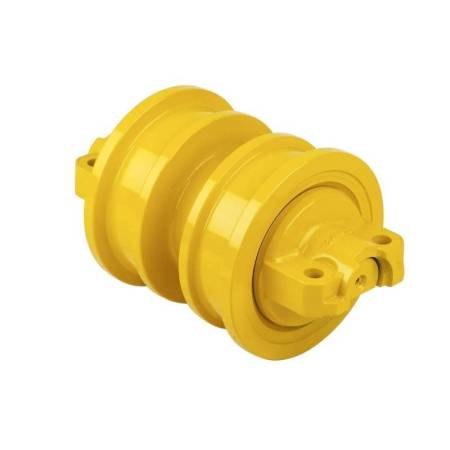
Steel tracked undercarriages consist of a series of operational elements that require regular inspection and replacement to ensure the continuous operation of the machine. The key components are:
Each of these components requires regular lubrication (e.g., with high-viscosity lithium grease) and inspection of their technical condition, especially in abrasive environments where sand and dust accelerate wear. Replacement costs are higher than for rubber undercarriages – for example, a set of carrier rollers for a 20-ton excavator costs around 3,000-5,000 PLN – but their durability and ability to be refurbished (e.g., gear welding) compensate for these expenses in the long-term operation of heavy machinery.
FAQ: Tracked undercarriages to construction machines
Tracked undercarriages These are drive systems based on continuous track belts, used in construction machinery such as excavators, bulldozers, and crawler loaders. Their importance stems from providing stability, excellent traction, and durability in challenging terrain – from mud and sand to uneven and boggy ground. They enable the execution of complex projects, such as road construction or mining operations, where wheels might not be effective.
A tracked chassis consists of tracks (rubber or steel), drive wheels, carrier and guide rollers, and tensioners. The sprockets transfer movement from the engine to the tracks, allowing the machine to move. The rollers distribute the weight over a larger surface, reducing pressure on the ground, and the tensioners maintain the proper tension of the tracks, enabling smooth driving and overcoming obstacles in extreme conditions.
Tracked undercarriages They offer excellent traction and stability on uneven terrain, reduced ground pressure due to a large contact area, which prevents sinking, and high durability and resistance to damage. Additionally, they allow for precise maneuvering, which is crucial in tight construction spaces, making them a reliable choice for demanding projects.
Rubber undercarriages are lighter, flexible, and less invasive for delicate surfaces (e.g., lawns or asphalt), making them ideal for mini-excavators and light machinery. Steel undercarriages, made from hardened steel, are more durable and resistant to harsh conditions, which is why they are used in heavy machinery, such as excavators or bulldozers, although they are heavier and noisier.
Rubber tracks are suitable for machines with a smaller mass (up to 8 tons), for work on delicate surfaces (e.g., in cities or gardens), and where mobility, quiet operation, and vibration reduction are important. They are economical in short-term projects and place less strain on the machine's structure.
Rubber tracks are made from a blend of natural and synthetic rubber, reinforced with steel cord or aramid fibers. The vulcanization process gives them flexibility and durability, while metal inserts ensure compatibility with drive wheels. The tread is profiled for better traction, and chemical additives enhance resistance to wear and weather conditions.
Rubber tracks are primarily used in mini excavators (0.8-8 tons), track skid steer loaders, compact dumpers, and machines for light earthworks. Their low ground pressure (0.3-0.5 kg/cm²) makes them suitable for work on lawns, asphalt, or in halls, for instance, during installation excavations in residential construction.
Steel tracks offer unmatched durability and resistance to heavy loads and challenging conditions (e.g., rocks, mud, low temperatures). They are ideal for machines over 10 tons, such as crawler excavators, bulldozers, dump trucks, or cranes, providing stability and long lifespan in intensive projects.
Steel undercarriages are used in crawler excavators, bulldozers, crawler loaders, dump trucks, asphalt milling machines, motor graders, crawler cranes, and mining machinery such as conveyors or crushers – wherever durability and traction in difficult terrain are crucial.
Key operational components include track links, pins, and bushings (replacement every 2,000-3,000 operating hours), carrier and guide rollers (1,500-2,500 operating hours), drive sprocket and tensioners and shock absorbers. They require regular lubrication and inspection, especially in abrasive environments, to avoid failures.
Rubber tracks cost 2,000-4,000 PLN per pair, but their lifespan is 1,000-2,000 machine hours, and damages increase repair costs. Steel tracks cost 5,000-15,000 PLN, but they last 3,000-5,000 machine hours and withstand harsh conditions better, which can reduce the cost per machine hour in heavy-duty applications.
In short-term projects on delicate surfaces - yes, due to lower purchase and fuel costs. In long-term, intensive work, steel tracks are more cost-effective due to their longer lifespan and the possibility of regenerating components.
Steel tracks handle abrasive materials (gravel, rocks), low temperatures (down to -40°C), moisture, and high dust levels. They are reliable in open-pit mines or on rocky construction sites, where other solutions might quickly wear out.